The Rise of Gourmet Menus at the Modern Pizza Restaurant


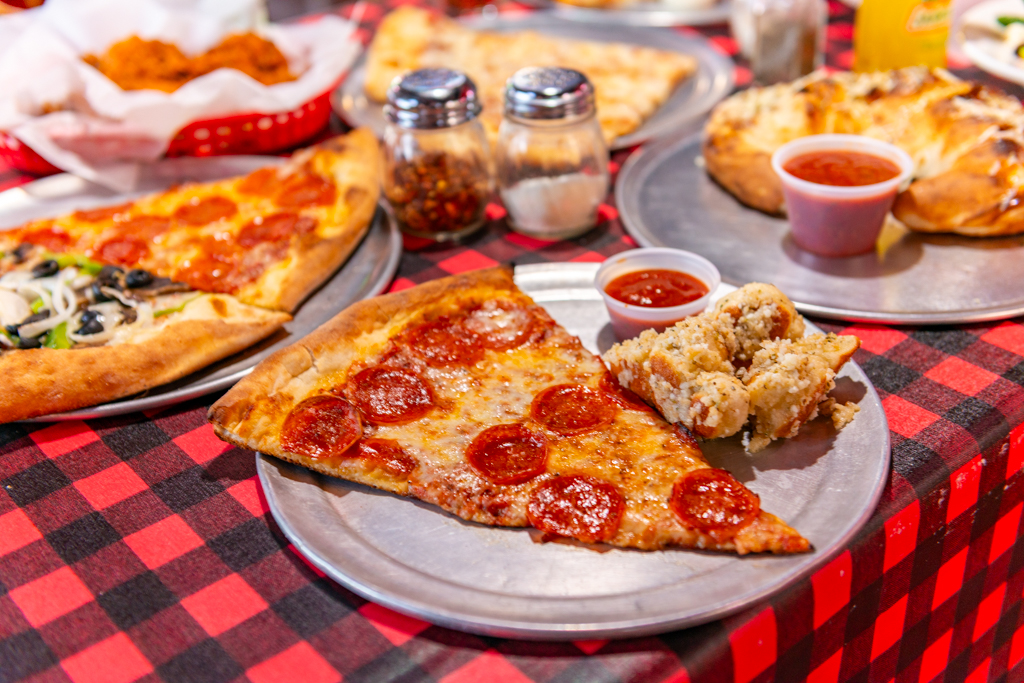
There was a time when the menu at a typical pizza restaurant could be predicted before you sat down. A few crust options, a red sauce, mozzarella, pepperoni, sausage, mushrooms, onions, perhaps a white pie if the owner felt adventurous. The business model was straightforward and effective. Serve a familiar product, execute it consistently, and move it fast.
That model still works in many places, and it should. Pizza remains one of the most democratic foods in the restaurant trade. It handles delivery well, appeals to nearly every age group, and performs across price points better than almost any other item. Yet over the past decade, something more ambitious has taken hold. Across cities, suburbs, college towns, and even small main streets, the modern pizza restaurant has steadily evolved into a more layered, more culinary operation. Menus have expanded beyond basic combinations into something closer to a chef-driven format, with seasonal ingredients, house-made ferments, specialty cheeses, regional flour programs, and wine lists built with purpose.
This shift did not happen because operators suddenly wanted to complicate a simple food. It happened because the market changed, customer expectations changed, and pizza itself proved far more flexible than many people in the trade once admitted.
Pizza became a serious culinary canvas
Any cook who has spent time around dough understands the appeal. Pizza looks simple from the dining room, but it rewards precision at every stage. Fermentation, hydration, flour strength, proofing temperature, deck heat, stone recovery, sauce balance, cheese moisture, topping placement, and bake timing all matter. Once operators and chefs began treating those variables with the seriousness usually reserved for bread or pastry, the category opened up.
The rise of gourmet menus reflects that deeper respect for the craft. Instead of asking only what tastes good on top of melted cheese, better restaurants began asking bigger questions. What wheat produces the texture we want? Should the dough ferment for 24 hours, 48 hours, or 72? Does this tomato have enough sweetness, or do we need acid to sharpen it? Is this pizza better with low-moisture mozzarella, fresh fior di latte, pecorino, or a blend?
Those decisions changed the final product, but they also changed the identity of the pizza restaurant. Once dough became a signature item rather than just a vehicle, the menu naturally moved upward in complexity and intention.
A guest may not know the protein percentage of the flour or the exact fermentation schedule, but they can taste the result. They notice crust that has real flavor instead of just color. They notice restraint in toppings rather than excess. They notice a pie that feels balanced from the first slice to the last, not heavy by the third bite.
Diners started expecting more than a standard pie
Consumer behavior has shaped this movement as much as culinary ambition. People now dine with broader reference points than they did twenty years ago. They travel more, watch chefs work more closely, and read menus with more confidence. A guest who has had Neapolitan pizza in Naples, Roman-style pizza by the slice in Rome, Detroit pan pizza in a Midwestern original, and naturally leavened sourdough pies in a Brooklyn dining room does not walk into a local pizza restaurant with the same expectations as someone did in 1998.
That does not mean every diner wants truffle honey or imported anchovies. It means many diners are open to specificity. They appreciate when a menu says San Marzano style tomatoes rather than simply tomato sauce, or Calabrian chile instead of hot peppers, or roasted maitake instead of mushrooms. The modern guest often responds well to detail when the detail signals care rather than pretension.
There is also a social factor. Pizza used to be framed mainly as casual group food, ideal for birthday parties, sports nights, and quick takeout. It still fills those roles, but it now occupies date-night territory too. A well-designed pizza restaurant can attract families at 6:00, couples at 8:00, and a late crowd looking for natural wine and a shareable meal after that. Gourmet menus help widen the occasion set. They allow the restaurant to compete not just with other pizzerias, but with neighborhood bistros, casual Italian spots, and chef-led small plate concepts.
The ingredients tell the story
The clearest marker of the gourmet shift is ingredient quality. Not expensive ingredients for their own sake, but ingredients selected for flavor, texture, and character. This is where many modern menus either earn credibility or expose themselves.
An operator can write burrata, soppressata, hot honey, smoked scamorza, and pistachio pesto on a menu and still produce a confused pizza. Gourmet language means very little without ingredient discipline. In the best restaurants, the changes are often quiet. Tomatoes have more brightness. Basil tastes alive rather than bruised. Olive oil smells fresh. Sausage is made in-house or sourced from a butcher who seasons it for the oven rather than the skillet. Mushrooms are roasted to remove moisture before they hit the pie, so they concentrate instead of steaming the crust.
I have seen this difference play out in real service. One restaurant I worked with tested three ricotta suppliers for a white pie that looked nearly identical on paper. The cheapest option broke under heat and left watery pockets. The most expensive option tasted flat once paired with garlic oil and aged cheese. The middle-priced ricotta, from a regional creamery, held structure and added a subtle sweetness that carried through the bake. Guests never asked where it came from, but they ordered that pizza repeatedly and mentioned its balance without prompting. That is how gourmet menus succeed, not by announcing luxury, but by making better decisions invisible in the finished product.
Seasonality plays a role too, though it has limits in a pizza setting. A smart kitchen can rotate toppings with the calendar without reinventing the menu every month. Spring may bring asparagus, peas, ramps, and lemon. Summer can support blistered corn, zucchini, sungold tomatoes, and basil in abundance. Fall works naturally with roasted squash, sage, brown butter notes, and earthy cheeses. Winter favors hearty greens, cured meats, onions cooked slowly, and deeper umami flavors. The key is moderation. A pizza restaurant that changes too much too often can alienate repeat customers who came back for a specific pie.
Technique matters as much as toppings
Some of the most successful gourmet pizza menus are not topping-driven at all. They are technique-driven. The difference matters.
Adding premium ingredients is easy to explain and easy to photograph. Building a dough program with real depth is slower, less visible, and much harder to execute under pressure. Yet it is usually the reason the food stands out. Skilled operators know that no topping can rescue a crust that lacks structure, flavor, or proper bake.
Fermentation has become one of the main frontiers. Longer ferments, often between 24 and 72 hours, can improve extensibility, develop mild acidity, and produce a more nuanced crumb. But long fermentation is not a free upgrade. It demands space, labor planning, temperature control, and consistency in scaling. It also changes service dynamics. If a walk-in fluctuates by a few degrees or dough balls overproof during a busy weekend, the oven tells on you immediately.
That is why not every pizza restaurant should chase the same style. Gourmet does not automatically mean leopard-spotted Neapolitan crust or naturally leavened sourdough. It means the style matches the system. A busy suburban operation doing high-volume dine-in and takeout may produce a far better gourmet product with a robust New York style dough than with a fragile format that collapses during delivery. Good judgment often looks less romantic than the internet suggests.
The oven matters here as well. Wood-fired ovens bring visual drama and distinct char, but they are not always the most practical choice. Gas decks can offer greater control and consistency. Electric ovens, once dismissed, now perform impressively in certain compact urban spaces. Gourmet pizza is not about using the most theatrical equipment. It is about understanding how heat transfer affects crust, sauce, cheese, and timing, then building a menu around that reality.
The modern pizza restaurant is designing a fuller dining experience
A gourmet menu rarely exists in isolation. Usually it arrives alongside broader upgrades in atmosphere, beverage, and service. The modern pizza restaurant has learned that people respond to coherence. If the food has care, the room should too.
That does not require white tablecloths or a formal script. In fact, pizza often loses charm when service becomes too stiff. What works better is a polished casual environment where details feel intentional. Better lighting. Stronger acoustics. Plates that fit the style of the pies. Staff who can describe a cheese or explain why one pizza uses pecorino while another leans on provolone. A bar program that goes beyond domestic lager and generic house red.
Wine has become an especially important part of this shift. Pizza remains one of the most wine-friendly foods in the restaurant business, yet many older pizzerias treated wine as an afterthought. The newer model sees opportunity. Crisp Italian whites, skin-contact wines, bright Lambrusco, chilled reds, and medium-bodied Sangiovese all pair beautifully across different pies. Beer still belongs, obviously, but a thoughtful beverage list helps reposition the pizza restaurant as a complete night out rather than a single-item stop.
Cocktails have entered the picture as well, though here restraint helps. Not every pizza concept needs a ten-drink program with smoked glassware and house tinctures. A few clean, food-friendly cocktails usually do more for sales and guest satisfaction than a long, ambitious list the bar cannot execute consistently.
Why gourmet menus make business sense
This trend is not only aesthetic. It is economic.
Pizza already benefits from strong unit economics compared with many other restaurant categories. Dough, even with premium flour, remains relatively cost-effective. Sauce and cheese can be managed carefully. Labor is demanding but can be systematized. When a restaurant introduces gourmet menu items thoughtfully, it often increases average check size without forcing a complete reinvention of operations.
A well-composed specialty pie can command a significant premium over a standard cheese pizza, sometimes by 25 to 60 percent depending on the market, while still feeling fair to the guest if the ingredients and execution justify the price. Add a shareable salad, a burrata starter, a glass of wine, and dessert, and the table spend changes substantially. That gives the restaurant more room to absorb rising rent, wage pressure, and ingredient volatility.
Still, the https://www.google.com/maps?cid=11542220356984615707 margin story is not effortless. Premium ingredients are less forgiving. Fresh mozzarella has a shorter life than low-moisture product. Delicate greens wilt. Imported meats can swing in cost. A gourmet pizza restaurant that overbuilds its menu often creates purchasing headaches and waste. One of the strongest operators I know cut six underperforming specialty pies from the menu after realizing they required eleven low-turn ingredients that strained prep and storage. Sales went up after the cut because the kitchen tightened its execution and the menu became easier to navigate.
This is one of the hidden truths of the gourmet movement. Better menus are often narrower, not broader.
The fine line between creativity and gimmick
The rise of gourmet pizza has produced plenty of excellent food, but it has also produced some nonsense. Every restaurant category goes through this cycle. Once a format becomes trend-conscious, there is a temptation to keep escalating novelty.
Pizza is particularly vulnerable because it photographs well and invites bold combinations. Truffle oil, gold flakes, caviar, wagyu, edible flowers, and dessert-style toppings can generate attention online. Attention is not the same thing as repeat business. A pizza restaurant lives or dies on whether people come back on an ordinary Thursday, not whether a launch photo gets shared.
The best gourmet menus understand proportion. Pizza has structural limits. Too much moisture ruins the bake. Too many toppings flatten the dough. Excessive fat makes slices collapse. Strong ingredients compete unless one leads and the others support. A pie with guanciale, caramelized onion, fontina, egg yolk, and black pepper might sing if each component is measured carefully. Add truffle cream and arugula, and the same pizza becomes muddy.
There is also a psychological threshold. Guests may be willing to experiment, but they still want the dish to feel like pizza. Once the format becomes a platform for random luxury ingredients, trust erodes. The restaurant starts to feel like it is performing cleverness rather than feeding people.
Regional styles gave chefs a bigger vocabulary
One reason gourmet pizza menus have flourished is that operators now borrow intelligently from a wider range of regional traditions. A decade ago, many restaurants defined themselves simply as New York style, Chicago style, or wood-fired. Today the vocabulary is broader and more nuanced.
Roman al taglio techniques have influenced dough crispness and display service. Detroit style has moved from niche curiosity to serious menu fixture because it combines comfort, visual appeal, and excellent carryout performance. New Haven has inspired attention to char and clam pies. Neo-Neapolitan shops have adapted classic methods to local ingredients and larger menus. Sicilian and grandma pies, once treated as side formats, now headline entire concepts.
This cross-pollination has helped the modern pizza restaurant escape a false choice between tradition and innovation. A chef can respect the grammar of a style without treating it as museum work. That freedom creates room for gourmet menus that feel rooted rather than random.
Guests want customization, but not total chaos
Another pressure shaping modern menus is the tension between curation and customization. Pizza has always invited substitutions, half-and-half orders, and build-your-own logic. Gourmet programs complicate that.
A pie built around roasted grapes, gorgonzola, walnut crumble, and rosemary oil may taste balanced as designed, but it can fall apart if a guest adds pepperoni, removes the cheese, and requests extra sauce. Operators have had to decide how much flexibility supports hospitality and how much undermines the kitchen.
Many of the strongest restaurants take a middle path. They preserve customization on foundational pies and maintain more control on specialty compositions. That policy works best when staff explain it clearly and confidently. Most guests accept boundaries when those boundaries are obviously tied to quality.
A useful way to think about it is this:
- Standard pizzas invite preference.
- Specialty pizzas reflect the kitchen's judgment.
- Dietary accommodations need planning, not improvisation.
- Delivery menus should be simpler than dine-in menus.
- Every added option carries an operational cost.
That balance becomes even more important as off-premise sales grow. A gourmet pizza that eats beautifully in the dining room may arrive tired after a twenty-minute drive. Delicate greens, soft cheeses, and finishing oils often need adjustment for takeout. Some restaurants now maintain separate finishing protocols for dine-in and delivery, which is one of the clearest signs that the category has matured.
The back-of-house challenge is real
Guests usually experience the gourmet shift as pleasure and novelty. Kitchens experience it as discipline.
A more sophisticated pizza restaurant runs closer to a hybrid operation than to a classic pizzeria. It may need bread-level dough management, garde manger precision, line-cook level topping prep, and a beverage program that demands trained floor staff. That adds complexity in procurement, prep schedules, storage, and service communication.
Labor is often the limiting factor. Dough work is skilled labor. Sauce consistency matters. Cheese blends need to be portioned properly. Toppings need prep methods tailored to the oven, not just the ingredient. If the kitchen lacks experience, gourmet menus can quickly become a trap where food cost rises and execution falls.
There is also a training challenge on the floor. Servers in a modern pizza restaurant need more product knowledge than many operators initially expect. If a guest asks why one pizza uses stracciatella after the bake instead of mozzarella before the bake, someone should answer with confidence. Not in a rehearsed speech, but in plain, useful language. That level of fluency changes the perception of the entire business.
What the future probably looks like
The gourmet movement is likely to keep growing, but its next phase will be more disciplined than flashy. The strongest pizza restaurants are moving away from ingredient excess and toward deeper refinement. Better dough. Better sourcing. Smarter beverage pairings. Tighter menus. Strong hospitality. More attention to how food travels. More respect for value, especially as diners become selective about where they spend.
There will also be a clearer split in the market. Some operators will continue serving familiar, affordable pizza with speed and consistency, and that segment will remain essential. Others will build destination-style pizza restaurants where the pie is part of a broader culinary identity. Both can succeed. Problems arise only when a restaurant tries to signal gourmet ambition without building the systems, training, and product integrity to support it.
For owners and chefs, that is the real lesson. The rise of gourmet menus is not just a matter of putting burrata on a pie or adding a seasonal special. It reflects a larger change in how the pizza restaurant sees itself. No longer a one-dimensional format, it has become one of the most adaptable and expressive models in the industry. It can be humble or ambitious, family-friendly or date-night ready, deeply traditional or quietly inventive.
That flexibility is why pizza keeps winning. It satisfies comfort and curiosity at the same time. And when a restaurant handles that balance well, the result does not feel like a trend. It feels like the category finally growing into its full potential.
RUFFRANO'S HELL'S KITCHEN PIZZA Security
385 Main St, Colorado Springs, CO 80911
(719) 390-4355
FAQ About pizza restaurant
Is there a Hell's Kitchen pizza restaurant in Security-Widefield?
Yes. Ruffrano's Hell's Kitchen Pizza has a Security-Widefield location at 385 Main St.
Where can I find pizza delivery in Security-Widefield?
Ruffrano's Security location offers online ordering. Enter your address at checkout to check delivery availability and fees.
Where can I find gluten-free pizza in Security-Widefield?
Ruffrano's menu lists a 12-inch gluten-free option. Call the Security location to confirm availability and ask about shared equipment if cross-contact is a concern.